Author: pmp_admin_j21pae6v

  • 10 Best Gardening Hoes for Every Garden Type: Expert Guide & Tips (2024)

    10 Best Gardening Hoes for Every Garden Type: Expert Guide & Tips (2024)

    As a passionate gardener I’ve learned that having the right tools makes all the difference in maintaining a thriving floral garden. Among these essential tools the gardening hoe stands out as one of the most versatile and indispensable implements. I’ll never forget how this simple yet effective tool transformed my gardening experience.

    Over my years of working with various types of hoes I’ve discovered they’re not just for weeding. From breaking up soil and creating furrows to mixing in compost and harvesting root crops a quality hoe can handle numerous garden tasks. I’m excited to share my insights about choosing and using the perfect hoe for your gardening needs whether you’re a seasoned gardener or just starting your green journey.

    Key Takeaways

    • Gardening hoes come in various types (draw, Dutch, Warren, stirrup, paddle, and collinear), each designed for specific gardening tasks and soil conditions.
    • The choice of hoe material is crucial – wooden handles offer better grip and shock absorption, while fiberglass handles provide superior weather resistance and durability.
    • Proper technique involves maintaining a 30-degree blade angle, keeping hands 12 inches apart, and using controlled pulling motions rather than pushing for optimal efficiency.
    • Regular maintenance, including cleaning after each use, proper storage, and blade sharpening every 4-6 weeks during growing season, significantly extends a hoe’s lifespan.
    • Garden size and soil type should guide hoe selection – small gardens benefit from precision tools like collinear hoes, while larger areas require more robust options like Warren or stirrup hoes.

    Gardening Hoes

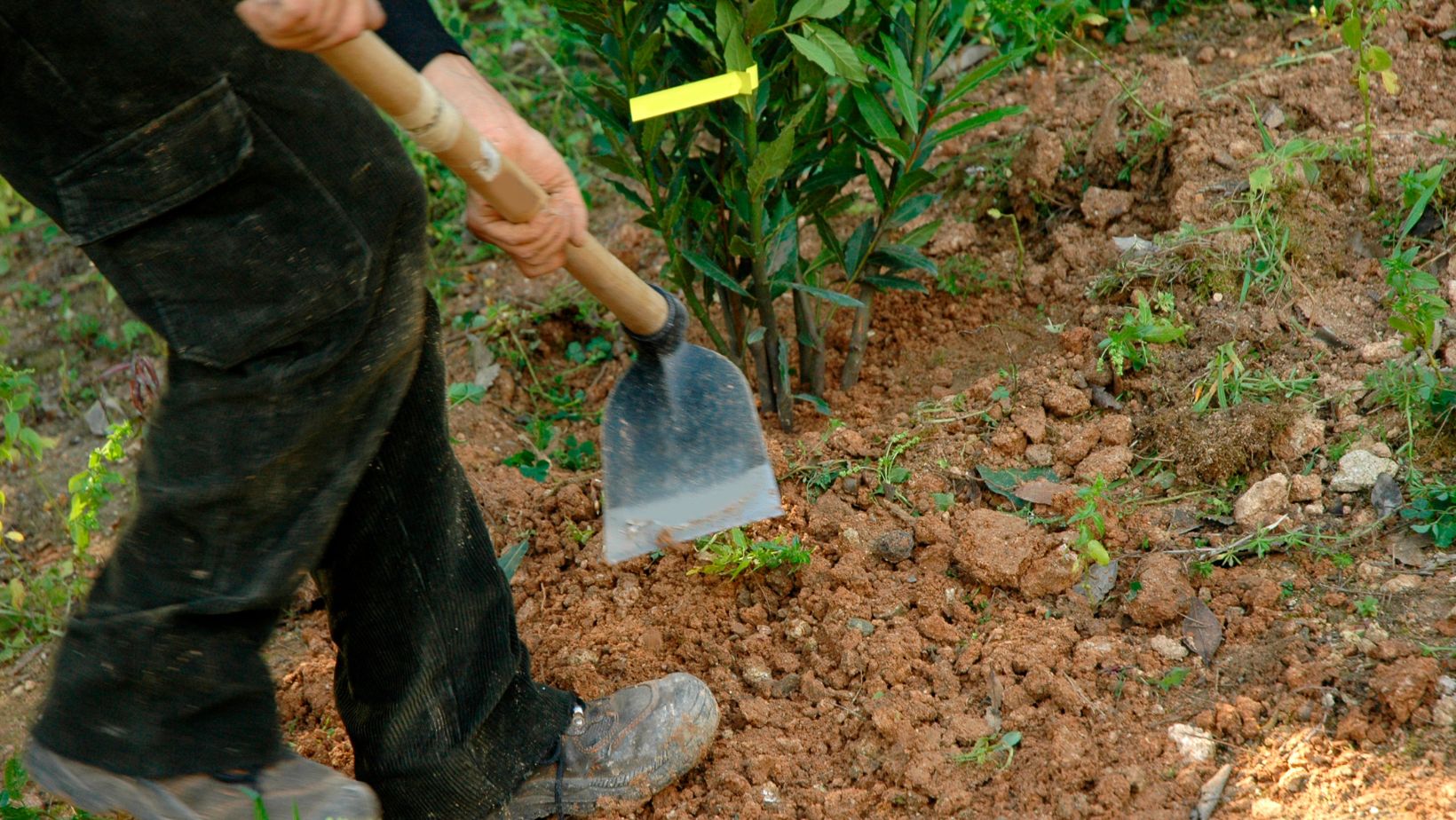
    A gardening hoe is a hand tool with a long handle and a flat blade designed for soil cultivation. I use garden hoes to break up soil, remove weeds, create furrows for planting, and maintain garden beds.

    Types of Garden Hoes

    • Draw hoes feature a blade positioned at a 90-degree angle, ideal for pulling soil toward me
    • Dutch hoes have a push-forward design with a sharp, open-faced blade for weed removal
    • Warren hoes include a pointed triangular blade perfect for making seed drills
    • Stirrup hoes contain a double-edged blade that cuts weeds on forward and backward strokes
    • Paddle hoes combine a wide blade with curved edges for enhanced soil movement
    • Collinear hoes incorporate a thin, sharp blade for precision weeding in tight spaces
    • Handle: 48-54 inch wooden, fiberglass, or metal shaft for leverage and reach
    • Grip: Rubber or plastic coating at the top for enhanced control
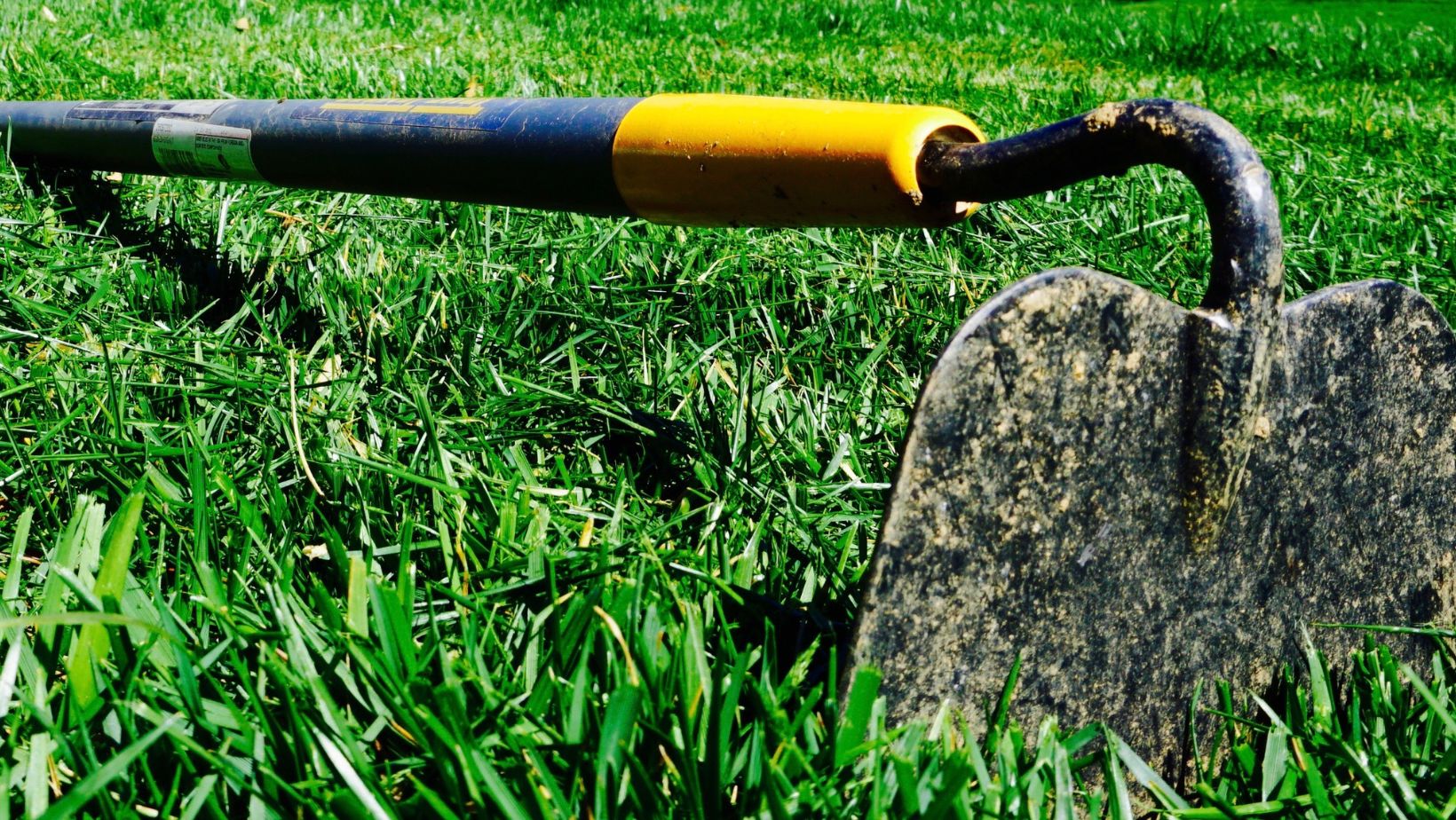
    • Neck: Metal connection point between handle and blade
    • Blade: Flat metal piece in various shapes (rectangular, triangular, heart-shaped)
    • Tang: Metal extension that secures the blade to the handle
    • Ferrule: Metal collar that reinforces the handle-blade connection
    Component Common Materials Standard Length/Size
    Handle Wood, Fiberglass, Metal 48-54 inches
    Blade Steel, Stainless Steel 6-8 inches wide
    Ferrule Brass, Steel 2-3 inches

    Best Materials for Garden Hoes

    The durability and performance of garden hoes depend significantly on their material composition. I’ve found that different materials offer distinct advantages for both handles and blades.

    Wood vs. Fiberglass Handles

    Wood handles, particularly ash and hickory, provide excellent shock absorption and a natural grip texture. Fiberglass handles offer superior weather resistance and maintain consistent performance in varying humidity conditions. Here’s a comparison of key features:

    Feature Wood Handles Fiberglass Handles
    Weight 1.5-2 lbs 0.8-1.2 lbs
    Lifespan 5-10 years 15-20 years
    Cost $10-20 $25-40
    Grip comfort High Medium
    Weather resistance Low High
    Feature Steel Blades Aluminum Blades
    Weight 0.8-1.2 lbs 0.3-0.5 lbs
    Edge retention 2-3 years 1-2 years
    Cost $15-30 $20-35
    Strength High Medium
    Rust resistance Low High
    Best use Heavy soil Light soil

    How to Choose the Right Garden Hoe

    Selecting the optimal garden hoe involves matching the tool’s characteristics with specific gardening conditions and requirements. The selection process focuses on analyzing soil composition and evaluating garden dimensions.

    Soil Type Considerations

    Different soil types demand specific hoe features for optimal performance:

    • Sandy soils work best with lightweight hoes with narrow blades
    • Clay soils require heavy-duty hoes with sharp edges for breaking compacted earth
    • Loamy soils pair effectively with standard draw hoes or Dutch hoes
    • Rocky soils need sturdy steel blades that resist damage from stone impacts
    • Mulched areas benefit from oscillating or stirrup hoes that slide under surface materials

    Garden Size and Usage

    Garden dimensions and intended use determine the most efficient hoe selection:

    Garden Size Recommended Hoe Type Primary Usage
    Small (< 100 sq ft) Handheld or Collinear Precision weeding
    Medium (100-500 sq ft) Draw or Dutch General maintenance
    Large (> 500 sq ft) Warren or Stirrup Extended cultivation
    • Daily use requires professional-grade tools with replaceable parts
    • Weekly maintenance benefits from multi-purpose hoes with medium-weight handles
    • Seasonal work suits basic models with standard features
    • Commercial operations need heavy-duty construction with extended warranties
    • Container gardening requires compact hoes with shorter handles

    Proper Garden Hoe Techniques

    Mastering garden hoe techniques enhances efficiency while reducing physical strain. I’ve developed these precise methods through years of professional gardening experience to maximize tool effectiveness.

    Common Mistakes to Avoid

    Improper garden hoe techniques lead to inefficient work and potential tool damage. Here are critical errors to recognize:

    • Holding the hoe too close to the blade, reducing leverage and control
    • Striking the soil at steep angles above 45 degrees, causing blade bouncing
    • Using excessive force instead of controlled movements, leading to rapid fatigue
    • Pushing instead of pulling when using draw hoes
    • Working with a dull blade that requires more effort
    • Keeping arms too straight, creating unnecessary shoulder strain
    • Moving sideways while hoeing, reducing stability and accuracy
    • Position hands 12 inches apart with the dominant hand at the top
    • Maintain a 30-degree blade angle against the soil
    • Use smooth, consistent strokes with moderate force
    • Pull draw hoes toward you in controlled movements
    • Sharpen blades after every 4 hours of use
    • Bend elbows slightly while working
    • Face the work area directly with feet shoulder-width apart
    Common Mistake Impact Correction
    Steep angle strikes 50% more energy used Keep 30-degree angle
    Dull blade use 75% reduced efficiency Sharpen every 4 hours
    Incorrect grip spacing 40% less control 12-inch hand spacing
    Poor stance 60% more fatigue Shoulder-width stance

    Maintenance and Care Tips

    Cleaning After Use

    I clean my garden hoe immediately after each use by:

    • Removing soil with a wire brush to prevent rust formation
    • Spraying the blade with a garden hose to eliminate debris
    • Drying the entire tool with a clean cloth to prevent moisture damage
    • Inspecting the blade edge for any signs of damage

    Storage Solutions

    Proper storage extends my garden hoe’s lifespan through:

    • Hanging the hoe vertically on a tool rack to prevent warping
    • Storing in a dry indoor location away from rain exposure
    • Using a tool sleeve to protect the blade from scratches
    • Keeping the handle off concrete floors to prevent moisture absorption

    Blade Maintenance

    I maintain the blade’s effectiveness by:

    • Sharpening the edge every 4-6 weeks during peak growing season
    • Filing at a 20-degree angle using a metal file
    • Removing rust spots with steel wool or sandpaper
    • Applying a light coat of mineral oil to prevent oxidation

    Handle Care

    • Sanding rough spots on wooden handles with 120-grit sandpaper
    • Applying linseed oil to wooden handles twice per year
    • Checking for cracks or splits monthly
    • Replacing loose or damaged ferrules immediately
    Season Maintenance Task Frequency
    Spring Deep clean & sharpen Once
    Summer Edge maintenance Monthly
    Fall Rust prevention Twice
    Winter Storage preparation Once

    Maintaining The Right Garden Tools

    Choosing and maintaining the right garden hoe has transformed my gardening experience. I’ve learned that success in the garden starts with understanding your tools and using them correctly. A well-chosen hoe matched to your specific needs can make gardening more enjoyable and productive.

    I encourage you to invest time in selecting the perfect hoe for your garden and learning proper techniques. Remember that regular maintenance is just as important as proper use. With the right care your garden hoe will serve as a reliable companion for years of successful gardening ahead.

    Take action today to evaluate your current garden hoe and make any necessary improvements. Your garden (and your back) will thank you for it!

  • Unleashing Passion: Exploring the Thrill of Racing Digital Art in Motorsports

    Key Takeaways

    • Vibrant Fusion of Art and Speed: Racing digital art represents an exciting blend of creativity and technology, capturing the adrenaline of motorsports through dynamic visuals.
    • Innovative Techniques: Techniques like digital painting and 3D modeling are pivotal, allowing artists to create immersive experiences that encapsulate movement, speed, and realism.
    • Emerging and Established Talents: A diverse range of artists, from newcomers like Elliot F. and Jasmine L. to seasoned professionals like Scott J. and Laura K., are shaping the genre with unique styles and approaches.
    • Cultural Impact on Motorsports: Racing digital art enhances fan engagement and appreciation for motorsport culture, bridging the gap between art and competition while fostering community among fans and artists.
    • Marketing Opportunities: This genre opens up innovative marketing avenues for teams and sponsors, utilizing compelling visual content to attract tech-savvy audiences and promote merchandise effectively.
    • Role of Esports: The rise of esports amplifies interest in racing digital art, attracting new audiences and creating a cohesive culture that spans both traditional motorsports and virtual racing platforms.

    In the vibrant world of digital art, racing themes have emerged as a captivating genre that blends speed, creativity, and technology. Artists are harnessing the power of digital tools to create exhilarating visuals that capture the adrenaline rush of motorsports. This fusion not only showcases their artistic skills but also invites viewers to experience the thrill of racing in a whole new way.

    As the popularity of esports and virtual racing continues to soar, racing digital art has found its niche among enthusiasts and collectors alike. From dynamic illustrations of iconic race cars to immersive environments that transport fans to the heart of the action, this genre is redefining how art and sport intersect. Dive into the fast-paced realm of racing digital art and discover how it’s reshaping the artistic landscape and engaging audiences around the globe.

    Racing Digital Art

    Racing digital art represents a vibrant fusion of speed, creativity, and technology. This genre features dynamic visuals that embody the thrill of motorsports. Artists leverage digital tools to create exhilarating illustrations and immersive environments that resonate with fans.

    Artists blend traditional techniques with advanced software, producing stunning graphics that highlight the intensity of racing. These artworks capture not just the vehicles, but also the atmosphere of high-stakes competitions. Racers, tracks, and fans come alive through bold colors and fluid motions.

    As esports and virtual racing rise in prominence, the demand for racing digital art increases. This shift allows for a broader audience reach, drawing interest from both art collectors and gaming enthusiasts. Digital platforms provide a space where artists can showcase their work, reaching global viewers and engaging communities.

    Racing digital art redefines the relationship between art and sport. By immersing audiences in the high-speed world of racing, this genre creates new opportunities for artists, fans, and the motorsport industry. The continuous evolution of technology ensures that racing digital art remains innovative and impactful.

    Techniques Used in Racing Digital Art

    Racing digital art employs various techniques that enhance the visual impact and creativity within the genre. Among these techniques, digital painting and 3D modeling stand out for their capacity to create dynamic and immersive experiences.

    Digital Painting

    Digital painting involves using software tools to create artwork from scratch or enhance existing images. Artists utilize layers, brushes, and textures to simulate traditional painting techniques. Techniques like blending, shading, and highlighting bring depth and life to racing scenes. Artists often focus on capturing movement and speed by employing bold strokes and vibrant colors that reflect the adrenaline of motorsport. Through digital painting, artists can quickly iterate designs, ensuring swift adaptation to the fast-paced nature of racing.

    3D Modeling

    3D modeling creates lifelike representations of vehicles, tracks, and environments in racing digital art. Artists use software like Blender or Maya to build intricate models that can be manipulated and animated. Texturing and lighting play critical roles in achieving realism, as they replicate how materials interact with light in real-world conditions. Real-time rendering allows for visualizing these models within interactive environments, enhancing viewer engagement. The use of 3D modeling enables artists to explore different perspectives, adding depth to scenes and showcasing the racing experience in new, exciting ways.

    Notable Artists in Racing Digital Art

    Numerous artists contribute to the dynamic field of racing digital art. Both emerging talents and established professionals play vital roles in shaping this vibrant genre.

    Emerging Talents

    1. Elliot F. – Specializes in digital painting and captures the essence of motion through vibrant colors and bold strokes. His recent works focus on esports themes, combining gaming culture with traditional racing elements.
    2. Jasmine L. – Known for her innovative use of 3D modeling in racing environments, Jasmine creates interactive pieces that engage viewers. Her art emphasizes intricate details of vehicles, showcasing various angles and techniques to enhance realism.
    3. Max R. – Combines photography and digital art to produce striking visuals that depict high-speed racing moments. He integrates real-life images with digital enhancements, giving his pieces a unique perspective on the racing experience.

    Established Professionals

    1. Scott J. – A veteran in the industry, Scott integrates advanced techniques, including virtual reality, into his artwork. His innovative approach allows audiences to experience racing art in immersive environments, revolutionizing how viewers interact with art.
    2. Laura K. – Recognized for her iconic illustrations of racing legends, Laura blends traditional artistry with digital formats. Her works offer a nostalgic yet contemporary take on the racing world, appealing to both long-time fans and new enthusiasts.
    3. Victor S. – With a background in graphic design, Victor creates visually stunning promotional art for motorsport events. His skills allow for striking compositions that capture the excitement of racing, engaging audiences across various platforms.

    The Impact of Racing Digital Art on Motorsport Culture

    Racing digital art significantly influences motorsport culture by bridging the gap between artistry and high-speed competition. Artists create visuals that not only depict vehicles but also embody the adrenaline and emotion experienced during races, enhancing fan engagement. This fusion of art and sport cultivates a unique appreciation for both fields, enriching the overall culture surrounding motorsport.

    Racing digital art introduces innovative marketing opportunities for teams and sponsors. Visual content attracts fans, generates buzz on social media, and effectively promotes merchandise. Eye-catching digital artworks serve as compelling promotional materials that resonate with a tech-savvy audience.

    The rise of esports further amplifies the impact of racing digital art. Visuals associated with virtual competitions draw in new audiences, promoting interest in both gaming and traditional motorsports. As more fans engage with both realms, racing digital art becomes essential in creating a cohesive culture that spans multiple platforms.

    Collaborations between artists and brands define a new era in motorsport marketing strategies. Companies partner with artists to create exclusive pieces, enhancing brand visibility through unique, artful representations of their vehicles and sponsorships. This creativity brings fresh perspectives to the racing world, fostering community among fans, artists, and teams.

    Overall, racing digital art transforms how motorsport is perceived, emphasizing creativity and technology’s roles within the culture. It shapes narratives and enhances experiences, contributing to a richer understanding of the sport while pushing the boundaries of artistic expression.

    Intersection Of Creativity And Technology

    Racing digital art stands at the intersection of creativity and technology, redefining how enthusiasts engage with motorsport. As this genre continues to evolve, it not only captivates audiences but also opens new avenues for artistic expression and marketing within the industry. The collaboration between artists and brands highlights the dynamic nature of racing culture, fostering a community that appreciates both the thrill of competition and the beauty of art. With the rise of esports and digital platforms, racing digital art is poised to make an even greater impact, ensuring its place in the future of both art and motorsport.